Healthy Nutrition for People with Diabetes
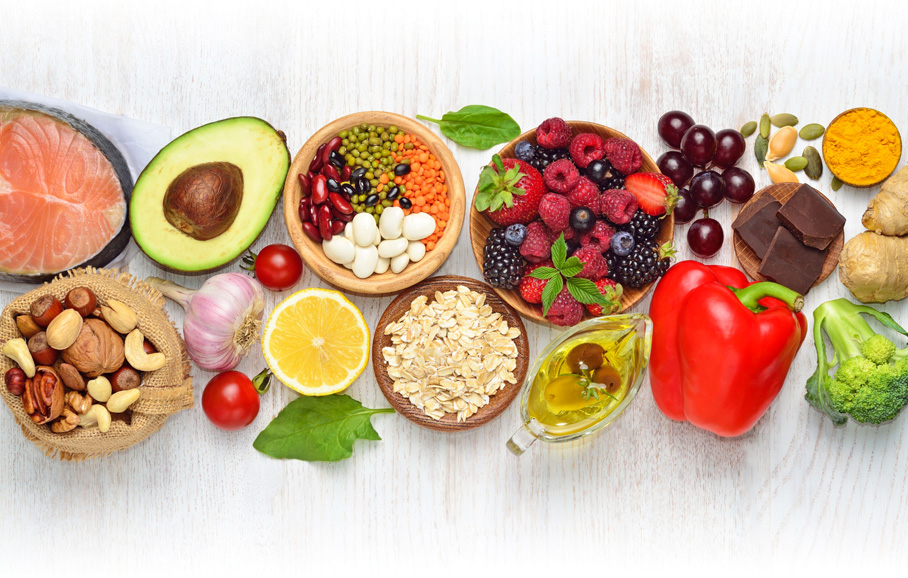
Most people are often overwhelmed by the nutrition advice you come across...everywhere! It’s not always easy to find the right information for you, especially when recommendations are contradictory. We want to help! The following pages provide recommendations based on outcomes of the most recent research.
In general, it is beneficial to reduce the quantity of carbohydrates in your diet and choose high quality carbohydrate sources. The recommendations and tips in this document are for an overall healthy and balanced diet. The plan includes an example week, but without targeted quantity recommendations, which depends on different factors like body size, age and activity, which your mySugr Diabetes Coach can help with.
We wish you much success and enjoyment during this journey!
At a Glance

Food/Drink:
Recommendations:
Drinks
- Unlimited water (still or sparkling), tea, black coffee
- Rarely: Diet/sugar free drinks
- Avoid sugary drinks: regular soda pop, energy drinks, juice
Vegetables and Fruit
- Unlimited non-starchy vegetables daily
- Try to make ½ of your plate veggies at each meal
- Choose 1-2 portions of fruit per day. Berries are best!
Grains, Cereals and Starchy Vegetables
- Choose whole grains over refined grains (whole grain bread, brown rice, steel cut oats over white bread, white rice, quick cook oats)
- In general, choose smaller portions (¼ of your plate at each meal.) The more physical activity you engage in, the bigger your portion can be!
- Potatoes, corn and peas = starches
Protein-Rich Foods
- Choose vegetable protein sources most often, like legumes, nuts, seeds, tofu and other soy products
- Choose 1-2 oz of nuts/seeds or nut/seed butter (almonds, walnuts, pumpkin seeds, chia seeds, etc.) daily
- Choose legumes (beans, lentils) several times per week
- 1-2 x/week choose fatty fish (salmon, herring)
- Choose full-fat and fermented dairy products over non-fat
- Choose eggs and poultry (chicken, turkey) more often and red meat less often
- Limit processed meats like salami, bacon and sausage
Fats
- Choose olive, canola and flaxseed oil and butter
- Choose avocados, nuts, seeds
- Limit heavily processed oils like sunflower and soybean
- Avoid trans-fats (partially hydrogenated oils)
Sugar, Sweets and Sweeteners
- Limit to 6 teaspoons/25g added sugar per day. Also applies to natural sweeteners like honey, agave and maple syrup
- Choose small portions of the alternative sweeteners stevia, monk fruit, xylitol and erythritol if needed for sweetness
- Avoid high fructose corn syrup and artificial sweeteners (aspartame, saccharine, sucralose, etc.)
Quantities and Portion Sizes

Example plan for one week
For the recipes simply contact your coach.
MONDAY
Breakfast
Steel cut oats with nuts and berries
Lunch
Tuna salad sandwich with side salad
Snack
Apple with nut butter
Dinner
Greek salad with feta cheese and orzo
TUESDAY
Breakfast
Fried eggs on whole grain toast
Lunch
Vegetable, cashew and chickpea curry
Snack
Mandarins and almonds
Dinner
Chicken soup with vegetables
WEDNESDAY
Breakfast
Egg omelette with feta cheese, spinach and chives, side of berries
Lunch
Chicken thighs stewed in white wine with mixed vegetables
Snack
Turkey, cucumber and avocado roll-ups
Dinner
Whole wheat grilled cheese and mixed salad
THURSDAY
Breakfast
Steel cut oats with peanut butter and cinnamon
Lunch
Mushroom omelette with side salad
Snack
Bell peppers and hummus
Dinner
Carne asada “burrito bowl” salad
FRIDAY
Breakfast
Cottage cheese with fresh fruit and walnuts
Lunch
Baked salmon with asparagus and red potatoes
Snack
A few squares of 70% dark chocolate
Dinner
Stewed white beans mixed with grilled vegetables and olives topped with parmesan cheese
SATURDAY
Breakfast
Whole grain toast with salmon and avocado
Lunch
Hamburger lettuce wrap with tomato, small apple
Snack
Berries and yogurt
Dinner
Fried brown rice and riced cauliflower mix with spring vegetables and tofu
SUNDAY
Breakfast
Almond flour pancakes with berries
Lunch
Lentil pasta with eggplant, zucchini bell peppers and pesto
Snack
String cheese and melon
Dinner
Baked balsamic chicken with tomatoes, basil and mozzarella salad
Further recommendations for a healthy lifestyle
Lifestyle Factor
Recommendation
Sleep
- 7-9 hours per night
- Sleep deprivation: <6h over time
- Turn off blue-light emitting electronics like cell phones, computers and TV at least 60 minutes before bed
- Keep your room cool and dark for best quality sleep
Get outside
- Getting outside for 30 mins/day has proven health benefits
- Try strolling through a park or along a road with trees and flowers
- Eat lunch outside rather than at your desk
- Open a window for some fresh air
Movement
- A walk, even just 10 minutes after a meal can help curb the post-meal blood sugar spikes
- Integrate movement into everyday life: Take the stairs over the elevator, park your car far away from the store entrance, arrange to go for a walk with friends after work
- Aim for 150 minutes of moderate activity per week (walking, strength training, yoga, biking)
- Avoid sitting for long periods of time. Try to get up at least every 30 minutes. Set a timer on your phone or get up during TV commercials to walk in place or do squats!
Stress reduction
- Incorporate 10 minutes of relaxation and/or mindfulness exercises like meditation daily
- Sleep 7-9 hours per night (it’s so important we mention it twice!)
- Try breathing exercises during stressful or irritating situations: count to 4 with your inhale, then 4 with your exhale
Tobacco
- Give up smoking, vaping and chewing tobacco. If you don’t smoke, don’t start!
Dietary recommendations in detail
Coffee:
- Black coffee contains no carbs, so you shouldn’t see much of an effect on your blood sugar (however, caffeine can cause hormone shifts that DO increase your blood sugar, so check after your cuppa to see if this is the case for you.)
- If you are hungry and it is not yet meal time, try drinking a cup of black coffee instead of eating a snack. Coffee can help curb your appetite.*
- Instead of dessert, treat yourself to a decaf espresso or cappuccino.*
Tea:
- Black, green, white, and herbal teas are high in antioxidants and are protective against many diseases! Prepare your own hot or iced tea anytime during the day. Sweeten with your choice of sweetener if you like.*
- Like with coffee, if you feel hungry between meals try drinking a large cup of hot or iced tea.
*Consider stopping your caffeine consumption by noon so you can sleep well at night!
Fruit juices
- Fresh fruit juices are still high in sugar and are no healthier than packaged foods! You can try a diluted juice “spritzers” (1 part juice to 5 parts water) if you must have something fruity to drink.
- Whole fruit should be chosen over juice since chewing improves satiety and the fiber can delay the rise in blood sugar somewhat. Fiber also provides great benefits for gut health and cholesterol.
Sugar-sweetened drinks
- Drinks containing sugar like soda pop, energy drinks and sports drinks are best to be avoided. The sugar content in these products raise blood sugar rapidly and promotes the development of fatty liver and insulin resistance.
Diet drinks
- We advise against diet drinks because the bacteria in our intestines have been shown to react negatively to the artificial sweeteners (listed later in this document), which puts us at higher risk for insulin resistance and weight gain.
- Plain still or sparkling water or water flavored with lemon juice, ginger or fruit are better choices.
Alcoholic beverages
- Alcoholic beverages contain a lot of “empty” calories, meaning they have no nutritional value (gram for gram, almost as much as fat), and stimulate your appetite – and usually not for veggies!)
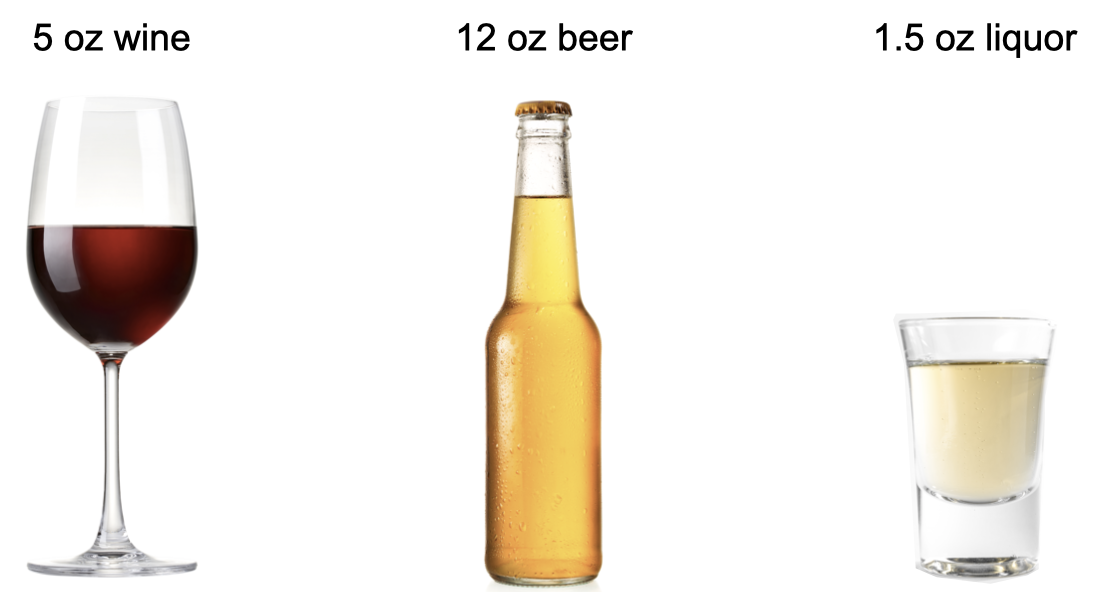
- That doesn’t mean you can’t enjoy a drink occasionally! If you choose to drink, dry wines are a better option over sweet wines. Light beer has significantly fewer carbohydrates and calories. Hard liquor has no sugar, but when you mix it with juice or soda, then there is plenty of sugar! It is recommended that women limit to 1 drink per day and men 2 drinks per day.
What does one drink look like?
- A diet full of plants, vegetables in particular, helps to reduce weight and achieve better blood glucose control. Eat as many veggies as you like!
- Try a salad or roasted vegetables as a starter instead of bread or a fried appetizer.
- If you don’t like veggies or struggle to get enough in, try mixing half the amount of starch (pasta, rice, etc) with a vegetable pasta or rice (ex. zucchini noodles or cauliflower rice.)
- Choose whole fruit as a snack or an accompaniment to a meal.
- Frozen veggies and fruits are just as nutritious as fresh. Frozen produce is especially helpful in the months where fresh produce is hard to come by. Try to avoid canned as they typically contain large amounts of added sugars and salt.
- Legumes (peas, beans and lentils) are recommended several times a week as they are a good source of protein and fiber. Due to the protein and fiber, they can improve blood lipid levels and help blood sugar levels to rise more slowly.
- Legumes can be eaten as a meat substitute (try lentil sloppy joes or chickpea “tuna” salad!)
- If you are concerned about intestinal gas/flatulence, know that regular consumption will significantly reduce these symptoms after just a few days or weeks. If you never eat legumes, start slowly and build your way up. Soaking your raw beans overnight or rinsing canned beans can also help with intestinal gas.
- Grains that are minimally processed, meaning they haven't been crushed or ground, such as steel cut oats, cause blood sugar to rise much more slowly and keep you feeling full for longer.
- Whole grains/whole wheat flours cause blood sugar to rise as quickly as white flour, but the mineral and fiber of whole grains is higher, so it is always a better choice.
- The tougher rice grain (like brown or red rice), the lower the effect on the blood sugar level. Choose natural rice over instant cook rice--it should take a little while to cook it!
- Fresh sourdough breads are prepared with the help of wild yeast and cause the blood sugar to rise more slowly. They are preferred over typical store bought bread. At the supermarket look for fresh sourdough bread, or check a local bakery.
- Swap your typical cracker for whole grain or rye crackers--even better, try crackers made with only nuts and seeds!
- Bean and lentil pastas (find them in the pasta aisle) which increases blood sugar much more slowly!
- If your blood sugar rises too far above your target about 1.5 - 2 hours after eating, it is worth considering to reduce the portion of grains and replace it with vegetables or a protein source.
- Potatoes increase blood sugar rapidly due to their high starch content.
- The cooking method matters: baked, roasted and steamed potatoes increase blood sugar more slowly than mashed and fried potatoes. And keep the peel (fiber!)
- The type of potato matters too. Red new potatoes, yukon gold, purple and sweet potatoes will increase blood sugar more slowly than conventional russets.
- Just like with pasta, try mixing in some vegetables like making potato salad with cucumber or radish. This decreases the starchy portion without compromising on flavor.
- Don’t worry about the fat content here. Recent studies show full-fat dairy products are good for the metabolism (and they taste delicious.) There is no need to eat non-fat or low-fat milk, yogurt or cheese. HOORAY!
- Do pay attention to the sugar. Milk has natural sugar, which is OK in small amounts but if you see “sugar” or any of its other nicknames like “cane sugar,” “corn syrup,” etc, on the label, it’s best to put it back on the shelf.
- Choose whole or 2% white milk over flavored milks. Even better milk options are fermented milks like kefir and sour milk as they have much less sugar and a dose of healthy bacteria.
- Milk alternatives, like almond and soy milk are great milk alternatives for dairy allergies or lactose intolerance as long as they are labeled “unsweetened.”
- Some yogurts and milk “drinks” contain more sugar than a piece of cake! Add some fruit (like berries) to sweeten plain yogurt. If more sweetness is needed, you can try a drop of liquid stevia or a small teaspoon of honey.
- Cheese has no sugar or carbohydrates because during the cheese making process, the sugar stays in the by-product (which is buttermilk!) Consider cheese a high fat protein source rather than milk when thinking about blood sugar effect.
- Fish is an ideal source of protein due to its balanced nutrient content. Wild caught fish from a source local to you is typically the healthiest option!
- Long-chain omega-3 fatty acids, which are high in fatty fish like salmon, sardines, mackerel and herring have strong anti-inflammatory effect on the body. Regular intake of omega-3 fatty acids can improve the effect of insulin and blood lipids.
- Poultry, eggs, dairy products, legumes, tofu and nuts are also great sources of protein that are associated with health benefits.
- Large potions and frequent intake of red meat is associated with numerous cancers, heart disease and insulin resistance, so choose this less often.
- Avoid highly processed meat like deli meat, bologne, salami and sausages as much as possible. Instead of these, try cold roasted or grilled chicken or steak.
- Add flavor to sandwiches or cooked meats by adding herbs, spices, cheese or spreads like hummus, mustard or olive tapenade.
- Restricting eggs, specifically egg yolk, is no longer appropriate. The current research shows that cholesterol from our diet does not greatly influence the cholesterol in blood.
- Like meat and fish, eggs have no carbohydrates and a good balance of protein and fat. If you replace a slice of bread with an egg at breakfast, you will likely feel more satiated and see your post-meal blood sugars decrease.
- Eggs are great at all meals and snacks. An omelette with herbs and vegetables can be prepared quickly and be the start of any meal.
- Butter from grass-fed (pasture raised) animals contains higher amounts of omega-3 fatty acids, which is beneficial and improves the taste even more!
- Butter spreads made with canola or olive oil and coconut oil are good options as well.
- Cold pressed, extra virgin olive oil and walnut oil are excellent fat choices due to the high antioxidant content, but should not be used for cooking as it is a low smoking point.
- Canola and avocado oil and refined coconut oil are ideal for cooking because they have a neutral taste and have a high smoking point, meaning it can be heated to a high temperature safely.
- Nuts and seeds are great for your heart health! It’s recommended to eat 1-2 oz (a scant palmful) daily for the biggest benefits.
- Small portions of nuts and seeds will hardly increase blood sugar level as they are very low in carbohydrates, so they make a great snack or dessert. Try unsalted or low sodium raw or roasted to see what flavor you prefer.
- Sweet, salty and crunchy foods can be addicting, so it’s important to keep your portion size in check. Purchase pre-portioned snacks or portion into small containers at home.
- Choose high quality snacks and sweets, you’ll feel more satisfied with a smaller portion!
- If you find yourself too tempted, keep sweets and snacks out of the house. That way you must go out (and put in the extra effort) to get your treat!
- Dark chocolate made with at least 70% cocoa has half as much sugar as milk chocolate and contains anti-inflammatory polyphenols! Try a few squares of a 70% chocolate bar or homemade hot chocolate with dark cocoa powder sweetened with liquid stevia for a sweet treat.
- Yogurt with berries is also a great treat if you’re looking for an ice cream alternative.
- In baked goods you make at home, try using 1/3 less sugar than specified in the recipe (for example if it calls for 1 cup sugar, use ⅔ cup) and/or swap out half of the flour for almond or coconut flour to decrease the carbohydrate content and boost flavor.
- Stevia and monk fruit sweeteners do not affect blood sugar at all! They come in powder or liquid form. Just be careful with the portion size, a little goes a long way as they are much sweeter than sugar. To start, try one drop of stevia in your cup of coffee.
- Xylitol and erythritol are also suitable sweeteners. These are sugar alcohols and increase blood sugar minimally. They can cause an upset stomach and gas in some individuals, so try a small portion to begin with.
- Artificial sweeteners such as: acesulfame, neotame, saccharin, aspartame, sucralose and cyclamate should be avoided. These sweeteners have a negative effect on the good bacteria in our gut. Keeping our gut bacteria healthy is important for diabetes management, inflammation and immunity!
- Table or white sugar contains high amounts of sugar called fructose. When consumed in larger quantities like in sweets and sugary drinks, fructose is transported directly to the liver where it is converted into fat. This accumulates in the liver and make us more insulin resistant. Small amounts of fructose, like in fruit, does not cause this problem.
- Avoid products that list high fructose syrup as one of the ingredients.